Tiếng Việt
 中文 (中国)
What is Cross-Docking in the FMCG Industry?
Cross-docking in the FMCG (Fast-Moving Consumer Goods) industry is a modern logistics technique in which goods are transferred directly from inbound trucks to outbound trucks with little to no intermediate storage. By eliminating long-term warehousing, this method reduces product turnaround time to under 24 hours, while significantly lowering storage costs and optimizing warehouse floor space.
For the FMCG sector, cross-docking serves as a flexible transportation bridge between manufacturers and retailers. Instead of stockpiling goods in warehouses for weeks or even months, a cross-docking center operates as an automated transit and sorting hub: incoming goods are immediately deconsolidated, consolidated according to orders for specific supermarkets or convenience stores, and loaded onto outbound trucks for same-day delivery.
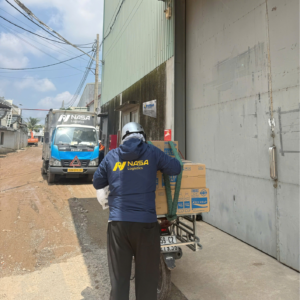
The Importance of Cross-Docking for the FMCG Industry
FMCG products possess three core characteristics: short product lifecycles, high consumption frequency, and low profit margins per unit. Typical items include fresh milk, beverages, and instant noodles.
The cross-docking model helps FMCG companies overcome three major operational challenges:
-
Shelf-life pressure: Delivering fresh food and dairy products to consumers in the shortest possible time to ensure maximum quality.
-
Market demand fluctuations: Responding instantly to daily changes in consumption rates without the burden of inventory costs.
-
Operational cost optimization: Cutting total logistics costs by 15% to 30% by completely removing long-term storage steps.
3 Common Cross-Docking Models in FMCG
| Cross-Docking Model | Operational Mechanism | Suitable Target Application |
| Pre-Distribution | The manufacturer pre-sorts, labels, and pallets goods by individual store before shipping them to the cross-docking center. | Fixed orders for major supermarket chains like WinMart, Co.opmart, and Bach Hoa Xanh. |
| Post-Distribution | Goods are transported in bulk to the cross-docking center, where staff deconsolidate, sort, and label them based on specific orders. | FMCG products with highly volatile demand or those requiring real-time flexible distribution. |
| Intermediate | Cross-docked goods are combined with a small amount of existing stored inventory to create complete shipments for outbound trucks. | Master distributors providing a wide range of SKUs to traditional mom-and-pop grocery stores. |
5 Core Benefits of Cross-Docking in FMCG
Implementing a cross-docking model offers five strategic advantages for the FMCG supply chain:
-
20% – 30% reduction in warehousing costs: Businesses avoid expensive racking systems, cold-storage energy costs, and large warehouse footprints.
-
Shortened delivery time to under 24 hours: Goods move seamlessly from factory to supermarket shelves in just 12 to 24 hours.
-
80% reduction in damage and loss risks: Minimizing manual handling reduces product denting, packaging damage, and shrinkage.
-
Accelerated working capital turnover: Cash flow circulates continuously rather than remaining frozen in warehouse inventory.
-
Freight cost optimization through consolidation: Cross-docking centers consolidate smaller shipments into Full Truckloads (FTL), saving fuel and vehicle operating costs.
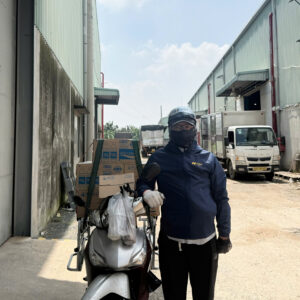
Standard 5-Step Cross-Docking Process in FMCG
The standardized cross-docking workflow in the FMCG industry consists of five continuous steps:
-
Order data processing: EDI and WMS systems receive order details from retailers to schedule and allocate inbound and outbound vehicles.
-
Goods receiving at the inbound dock: Factory trucks arrive at the cross-docking center within their committed time slots to unload goods.
-
Inspection and sorting: Automated conveyor systems scan SKU barcodes, verify quantities, and route products by destination codes.
-
Direct transfer to the outbound dock: Products move directly to designated outbound loading bays without entering storage areas.
-
Dispatch and retail delivery: Outbound trucks complete loading, apply tamper-evident seals, and depart directly for retail outlets.
Prerequisites for Successful Cross-Docking Implementation
To maximize the efficiency of a cross-docking operation, FMCG companies must meet three foundational requirements:
-
Advanced IT systems: Synchronized real-time utilization of Warehouse Management Systems (WMS), Transportation Management Systems (TMS), and Electronic Data Interchange (EDI).
-
Tight supply chain collaboration: Manufacturers, 3PL providers, and retailers must proactively share accurate demand forecast data.
-
Dedicated warehouse infrastructure: Facilities designed in an “I-shape” or “T-shape” layout, featuring multiple opposing inbound and outbound dock doors to minimize travel distance.
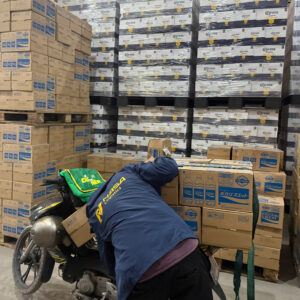
Contact us today for direct consultation and a tailored quotation!
CONTACT INFORMATION
-
Email: sale@nslvn.com
-
Hotline: 0902.369.668
-
Address: