Tiếng Việt
 中文 (中国)

In the first eight months of 2026, Vietnam imported USD 47.4 billion of machinery, equipment, tools and spare parts, up 22.1% year on year. At the same time, Circular 56/2026/TT-BKHCN, effective from 5 September 2026, introduced new criteria, documents and inspection procedures for used machinery and production lines. This article helps businesses check their shipment before signing a purchase contract.
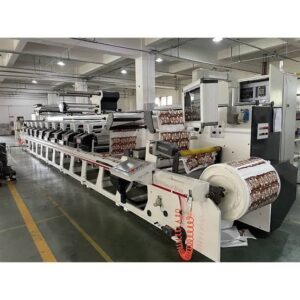
What does Circular 56/2026/TT-BKHCN cover?
Issued by the Ministry of Science and Technology, the Circular governs the criteria, documents and import procedures, as well as inspection activities, for used machinery, equipment and technological lines in Chapters 84 and 85 of the tariff. It applies to importers, inspection bodies and relevant authorities.
3 management principles
- Compliance with general rules on importing goods.
- Imports are not allowed if the equipment fails to meet safety, energy efficiency and environmental protection requirements.
- Imported equipment must directly serve the importer’s production activities.
Equipment age criteria
Used machinery and equipment must generally be no more than 10 years old. Some mechanical equipment may be accepted up to 20 years. In addition to age, equipment must be manufactured to standards consistent with Vietnam’s national technical regulations (QCVN) on safety, energy efficiency and environmental protection.
The usual method calculates age from the year of manufacture to the year the goods arrive at a Vietnamese border gate. So a machine built in 2016 that is delayed into 2027 may exceed the threshold — plan the shipping schedule from the negotiation stage.
Can equipment older than 10 years be imported?
Possibly. Circular 56/2026 uses the age limit as an initial filter and opens a separate review mechanism for over-age lines or equipment, based on 85% and 15% indicators for performance and consumption. Businesses must prove this with technical data and inspection results, not just commitments.
Technological lines
Used production lines must simultaneously meet criteria on technical standards, performance, consumption and technology. Failing one criterion means failing the assessment, so work with the inspection body early, before dismantling the line in the exporting country.
Inspection certificate and import dossier
In addition to the standard customs dossier, prepare:
- An inspection certificate issued by a designated or recognised inspection body, showing age, condition and compliance with the criteria
- Technical documents: catalogue, year of manufacture, serial number, capacity and consumption specifications
- Other supporting documents depending on the case (check the full text of Circular 56/2026)
If you do not yet have an inspection certificate when registering the declaration, check the current conditions for bringing goods to storage before the shipment arrives.
6 steps to clear a used-machinery shipment smoothly
- Collect the year of manufacture, serial number and technical specifications before signing the contract.
- Determine the HS code in Chapter 84/85 and related regulatory requirements.
- Calculate the equipment’s age against the expected shipping schedule.
- Register for inspection with a designated body.
- File the customs declaration with the certificate and technical documents.
- Transport and install — oversized and overweight cargo requires a road permit and a handling plan.
Common sticking points
| Situation | Risk | How to avoid it |
| Year of manufacture cannot be determined (missing nameplate) | Age cannot be proven | Ask the seller for original records, the first purchase invoice or manufacturer confirmation |
| Equipment refurbished or with many replaced parts | Performance and standards are hard to assess | Inspect at the seller’s site before signing |
| Line dismantled and shipped in several lots | Inconsistent documents across declarations | Prepare a package list and declare consistently from the first shipment |
| Used components and spare parts shipped with the machine | May fall under separate rules | Check the scope of Chapters 84 and 85 and the rules on spare parts |
| Equipment requiring safety inspection (boilers, lifting equipment) | Additional specialised procedures | Plan the safety inspection before putting it into use |
Costs to budget for when importing used machinery
- Machine price plus dismantling and crating in the exporting country
- International freight (standard container, flat rack or breakbulk for oversized packages)
- Inspection fees
- Import duty and VAT according to the HS code
- Container demurrage and storage if documents are incomplete when the goods arrive
- Domestic transport, crane lifting, installation and commissioning
A cheap used machine can become expensive if it has to be re-exported. Add up all costs and include the question “who pays for re-export if the criteria are not met?” in the purchase contract.
Frequently asked questions
Are machines in an investment project exempt from the age criterion? Previous rules had a separate mechanism for equipment listed in an approved investment project. Check each project against Circular 56/2026.
What if the shipment fails the criteria? The goods may not be cleared and may have to be re-exported, incurring storage and container costs. That is why you should check before buying.
Is inspection carried out abroad or in Vietnam? It depends on the goods and applicable rules. For technological lines, previous rules required inspection in the exporting country while the line was operating; check this against Circular 56/2026.
What about Chapter 84/85 equipment imported for research and development? Some cases have specific criteria, for example equipment for research and training in digital technology or semiconductor chip projects under Circular 30/2025/TT-BKHCN.
Do the criteria apply when buying used machines from an export processing enterprise in Vietnam? This is an on-the-spot import/export transaction with separate customs guidance; check each case.
Can NASA help check a machine before purchase? Yes. Send the machine details (year of manufacture, model, serial number, photos of the nameplate) for a preliminary assessment before paying a deposit.